It’s time to delete the trilogy of My Brilliant Friend, from the list of books to read, if there’s anyone that hasn’t done yet!
I give you three good reasons:
01. It’s the right time.
Since it was FINALLY broken the anonymity on the identity of the writer you can read the story in peace. As if knowing that Elena Ferrante is Anita Raja (there’s still no confirmation) can add or subtract beauty to reading, help you to better clear up the two iconic characters – Lila and Lenù, know if there’s life on Mars, discover the third secret of Fatima, who on and so forth. Guys, especially zero spoiler!
02. It’s the story of a true friendship.
Lila Cerullo ed Elena Greco abitano in un rione miserabile della Napoli degli anni ’50, dove la loro complessa amicizia cresce, le porterà ad allontanarsi e a rincontrarsi. Saranno capaci di provare buoni e cattivi sentimenti e proprio questi ultimi le renderanno umane, due di noi. L’autrice ce le descrive con audacia, senza farci cadere in pregiudizi o preferenze tra le due; sarebbe troppo facile patteggiare per l’una o per l’altra. In questa storia nessuna trionfa: Lila e Lenù rimarranno amiche anche quando le ferite che si infliggeranno sembrano irreparabili e il lettore assiste a tutto ciò da un posto privilegiato, il flusso di pensieri di Elena, l’io narrante. Sono amiche e nemiche, donne che sapranno trarre forza l’una dall’altra, talvolta saccheggiandosi a vicenda sentimenti, forze e amori.
03. You will look friendship with new eyes, even given it a renewed sense.
This story leaves you a certain indulgence. After exclamations like “but how can these two be friends ?!”, “after this definitely they won’t be talking to each other!”, it comes the awareness that maybe nowadays we ask Friendship – to call it that – only the best, we choose to grant only the “good time”, as if in a friendship disagreements can only be irreparable, cracks in a vase – called friendship – that make it less reliable, less strong. But Elena, in the narration of four novels, can’t stop talking about Lila, even when she hurts her, to tell her triumphs, which make her feeling envious, because it seems clear that to tell her life story is equally necessary to talk about her.
It’s a friendship in which you can be reflected: it could be able to make you feel ashamed, to make you feel beautiful, to hurt you but also to make you feel alive because despite everything, the person who knows how to see the best of you is your brilliant friend.
Time of the reading:
four weeks, one for each novel
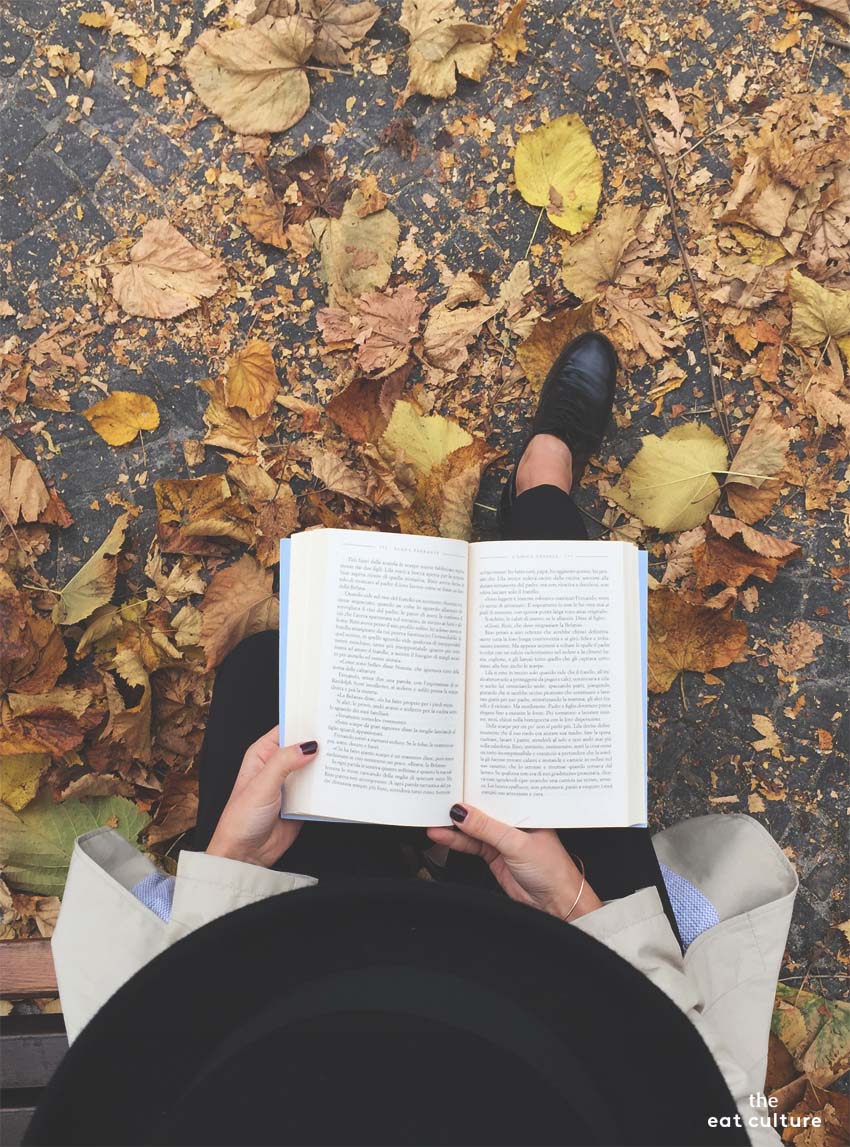
Ph. Sara Cartelli
© The Eat Culture